Wednesday, June 1, 2011

Dicot: Backyard 5/30/11

Dicots have leaves with a system of branched veins.

Plant w/ Fibrous Root System/ Gravitrophism: Backyard 5/30/11

A fibrous root system is a mat of thin roots spredding out below the surface of the ground. The stems of this plant grow in an upward direction, while the roots grow in a downward direction, due to gravitrophism.

Example of Xylem Tissue/ Example of Phloem Tissue: Backyard 5/30/11

Xylem tissue moves water up a plant from roots to shoots while phloem transports nutrients throughout the plant in both directions.

Tuber: House 5/30/11

Potatoes are tubers because they are enlarged ends of rhizomes and are specialized for storing nutrients.

Example from the Class Actinopterygii: Nature Center 5/29/11

This fish is a member of the class Actinopterygii. The class contains ray-finned fishes that have fins that are long and flexable and are used for maneuverability and defense.

Eukaryote/ Cellular Respiration: Nature Center 5/29/11
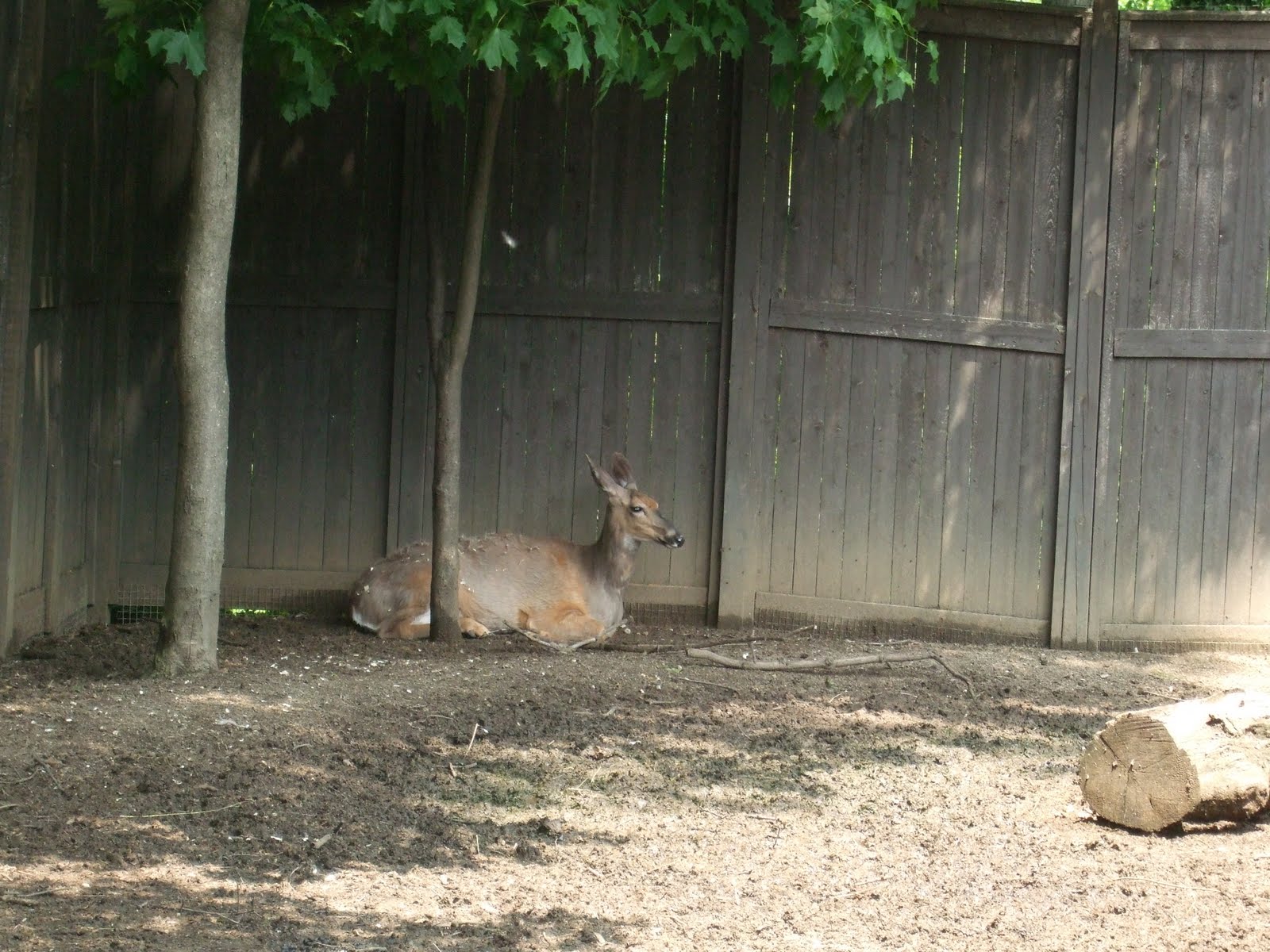
This deer would be described as a eukaryote. Its cells have membrane enclosed organelles and its cells are differenciated in order to perform the variety of functions needed to survive. It's cells are always undergoing cellular respiration. They break down the food consumed by the deer to make useable energy.

Carbohydrate/ Lipid/ Protein: Nature Center 5/29/11

This fox's fat is made up of lipids. It's muscles rely on protein in order to keep them strong and durable. It consumes carbohydrates for useable energy.